

Best Hydrant Sprinkler Pump in India
The fire safety system is a must-have for commercial buildings, industrial units, war ... Read more
Top 5 TEFC Induction Motors in India 2026 Guide
In industrial machinery, motors must be capable of performing effectively under harsh ... Read more
Top 5 Water Pressure Booster Pump Features and Benefits for 2026
Water pressure booster pumps are used to boost water pressure when existing water flo ... Read more
Top Fire Fighting System Manufacturers in India 2026
Industrial facilities, commercial buildings, warehouses, hospitals, hotels, residenti ... Read more
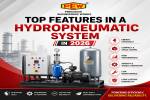
Top Features in a Hydropneumatic System in 2026
A stable water pressure system is important for homes, commercial buildings, and indu ... Read more
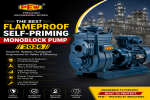
The Best Flameproof Self-Priming Monoblock Pump 2026
Pumping systems in industrial facilities dealing with hazardous, flammable or volatil ... Read more
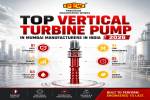
Top Vertical Turbine Pump in Mumbai Manufacturers in India 2026
Efficient water pumping plays a vital role in industries, infrastructure projects, an ... Read more
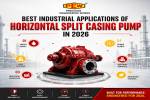
Best Industrial Applications of Horizontal Split Casing Pump in 2026
Industrial pumping systems continue to play a vital role in maintaining smooth operat ... Read more
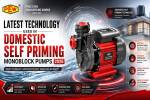
Latest Technology Used in Domestic Self Priming Monoblock Pumps 2026
The demand for efficient water management systems has increased significantly across ... Read more
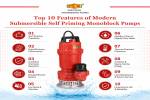
Top 10 Features of Modern Submersible Self Priming Monoblock Pumps
Water management in the farms, industries, commercial establishments and houses is im ... Read more

Exploring Horizontal Split Casing Pumps Advantages Uses And Future Trends for 2026
When it comes to efficient and reliable pumping solutions for industrial operations, ... Read more
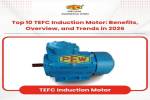
Top 10 TEFC Induction Motor Benefits, Overview, and Trends in 2026
Selecting the right motor is critical for industrial and domestic applications, ensur ... Read more
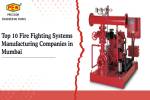
Top 10 Fire Fighting Systems Manufacturing Companies in Mumbai
Fire safety is no longer a choice; it’s a necessity. In the bustling industrial and ... Read more
Fire Fighting Systems Explained: Types, Working, and Applications
Ensuring fire safety is one of the most important aspects of any building, industrial ... Read more
What Are Flame-Proof Pumps? Uses, Benefits & Safety Standards
Hazardous conditions are common in industrial environments, which include chemical pl ... Read more
How to Increase Submersible Self Priming Monoblock Pump Life: A Detailed Guide
Submersible and self priming monoblock pumps are essential for homes, farms, construc ... Read more
What Is a Domestic Self-Priming Monoblock Pump - Working and Applications
If you have ever struggled with weak water flow at home or difficulty filling overhea ... Read more
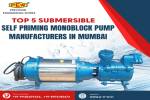
Top 5 Submersible Self Priming Monoblock Pump Manufacturers in Mumbai
Finding the right Submersible Self Priming Monoblock Pump is essential for ensuring u ... Read more
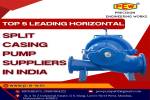
Top 5 Leading Horizontal Split Casing Pump Suppliers in India
When it comes to industrial pumping solutions, Horizontal Split Casing Pumps stand ou ... Read more
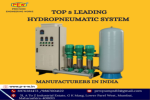
Top 5 Leading Hydropneumatic System Manufacturers in India
In the modern industrial world, hydropneumatic systems play a vital role in maintaini ... Read more
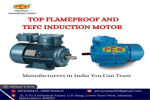
Top Flameproof and TEFC Induction Motor Manufacturers in India You Can Trust
In today’s industrial world, motors play a vital role in powering machinery, improv ... Read more
Top 5 Fire Fighting Pump Manufacturers in Mumbai, Maharashtra 2026
Mumbai, Maharashtra, is not only India’s financial hub but also a city that priorit ... Read more
Top 5 Benefits of Installing a Fire Fighting Pump for Your Business – Precision Engineering Works
Fire safety is a critical part of every commercial and industrial facility. In a worl ... Read more

How Fire Fighting Systems Reduce Property Damage During Emergencies
When emergencies like fires strike, they don’t just threaten lives, they also cause ... Read more
Submersible Self Priming Monoblock Pumps: A Complete Guide for Water & Fire Safety in 2025-26
In today’s rapidly growing industrial and commercial landscape, efficient water man ... Read more
Importance of Fire Fighting Systems in Commercial and Industrial Buildings
Fire safety is a top priority for commercial and industrial buildings. Fires can occu ... Read more
Top 10 Leading Fire Fighting Systems Manufacturers in India
Fire safety is essential for homes, offices, and industries. This blog highlights the ... Read more
Key Differences Between Hydropneumatic Systems and TEFC Induction Motor Manufacturers
When it comes to industrial equipment, every system has a unique purpose and is manuf ... Read more
Benefits of Submersible Self Priming Monoblock Pump and Troubleshooting Tips
Water is one of the most essential resources for homes, farms, and industries. But li ... Read more
Key Differences Between Pumps and Vertical Inline Multistage Pumps
When it comes to moving fluids in industries, agriculture, or commercial spaces, pump ... Read more

Fire Fighting Pump: The Unsung Hero of Fire Safety Systems
Every minute wasted during an emergency can cost a fortune, and with fire safety syst ... Read more
Guardians of Fire: How the Right Fire Fighting Pump Can Save the Day
When it comes to fire safety, every second counts. Whether it's a high-rise building, ... Read more
The Lifeline of Fire Safety: Understanding Fire Fighting Pumps and Their Role in Saving Lives
Fire emergencies are unpredictable, and when they strike, every second counts. One of ... Read more
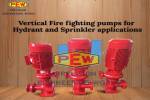
Growing penetration and usage of Vertical mounted pumps in Redeveloped buildings
In an over congested and over populated metro cities, even a 1sq.m space is very expe ... Read more

Key Features of Precision Engineering Works Industrial Motors and Pumps
Key Features of Precision Engineering Works Industrial Motors and Pumps ... Read more

Technological Advancements in Motors and Pumps
Over the years, industrial motors and pumps have undergone significant transformation ... Read more
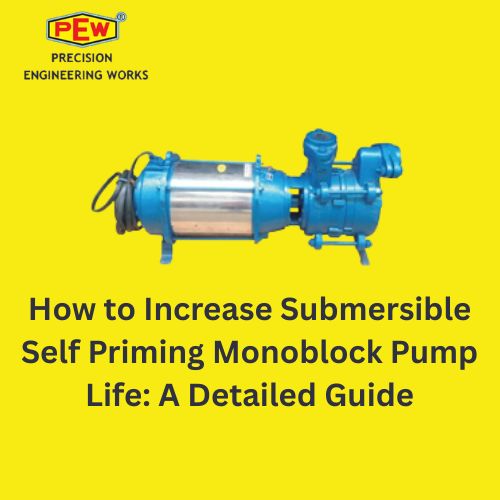
Submersible and self priming monoblock pumps are essential for homes, farms, construction sites, and industries. They are designed to run reliably in challenging water conditions, including sandy borewells, wells with variable water levels, or water storage systems. However, even the most durable pumps lose efficiency or fail prematurely if not handled properly. In this detailed guide, we will explore how to increase the life of your Submersible Self Priming Monoblock Pump, prevent frequent breakdowns, and get the best long term value from your investment.
At Precision Engineering Works, we understand that your pump is not just a machine. It is a backbone of your water supply system. Proper care can help extend its life by years and save you the cost of repeated repairs or replacements.
The first and most important step in improving pump life is choosing the correct pump capacity.
Many users assume more power equals better performance, but that is not always true. A pump that is either under capacity or over capacity works inefficiently and ages faster.
Tips for selecting the right capacity:
Purchasing a properly sized monoblock pump or monoblock submersible pump ensures that the motor does not overload and the hydraulic system functions smoothly.
Even the best pump will not perform properly if poorly installed. Improper installation can cause vibration, overheating, and permanent damage to the motor.
Correct installation includes:
Always follow the installation manual provided by the manufacturer or hire a trained technician. A 30 minute professional installation today can prevent months of repair troubles later.
Although submersible pumps are designed to work underwater, not all water is safe for their components. Water mixed with mud, excessive sand, or chemicals can damage the impeller, seals, or bearings.
Simple ways to protect your pump:
If the source water contains heavy dust or sand, discuss options like cyclone separators or pre filters with pump experts. These small investments significantly increase pump life.
Dry running occurs when the pump operates without water. This is extremely harmful and one of the most common causes of motor burnout and seal damage.
What causes dry running:
Modern pumps have thermal protection features, but not all do. Installing a dry run protection system or water level sensor ensures your pump only runs when water is available.
Submersible and monoblock pumps rely heavily on stable electrical supply. Voltage fluctuations or spikes damage motor windings, especially in rural or industrial setups.
To protect your pump:
A stable power setup is especially helpful if you are using TEFC Induction Motor Suppliers recommended motors, as they respond best to stable electrical flow.
Though many modern pumps require minimal maintenance, lubrication and routine cleaning are still crucial.
Maintenance checklist:
Do not use random oils or greases. Follow the manufacturer’s lubrication recommendations. Excessive lubrication can be just as harmful as no lubrication.
A healthy pump runs smoothly and quietly. If your pump suddenly becomes noisy, vibrates, or heats excessively, treat it as an early warning signal.
Common causes:
Never ignore these symptoms. Early diagnosis prevents costly failures and protects the pump motor.
Preventive maintenance is cheaper than reactive repair. Most pumps fail because users wait for breakdowns instead of scheduling routine checkups.
Suggested maintenance cycle:
During inspection, a technician can detect worn parts, improper wiring, and early electrical problems. This proactive approach can easily double the pump’s service life.
When not in use, especially during off seasons, store your pump correctly:
If you use the pump outdoors, use weatherproof covers and reinforced wiring. Heat, rain, and humidity can degrade insulation and cause short circuits.
Replacing parts with cheaper alternatives may seem cost effective initially, but it harms pump durability.
Why genuine parts matter:
Using genuine spares ensures the hydraulic performance remains stable and motor efficiency is protected.
Pump life does not depend only on how you use it. It also depends on where you buy it.
Leading manufacturers ensure:
For related systems and high performance installations, you can explore trusted professionals such as Hydropneumatic System Manufacturers, Domestic Self Priming Monoblock Pump Manufacturers and Horizontal Split Casing Pump Suppliers. Working with knowledgeable vendors provides better technical guidance, faster service, and proper spare support.
Increasing the life of your submersible or monoblock pump is simple when you approach it with consistency and awareness. Select the right capacity, install the pump correctly, monitor water and power conditions, and maintain it regularly. By following these methods, you not only protect your investment but also ensure uninterrupted water supply for years.
At Precision Engineering Works, we focus on delivering reliable pump solutions built for durability, efficiency, and long term performance. If you need assistance selecting the right pump or require expert maintenance support, feel free to consult our team. Your pump deserves the right care, and we are here to help.